Childhood Trauma and Its Long-Term Impact
Understanding Childhood Trauma
Childhood trauma isn’t always obvious. It doesn’t only come from dramatic or extreme events. Sometimes it’s the quiet moments when a child felt unheard, unprotected, or overwhelmed. It can come from unstable environments, inconsistent parenting, emotional neglect, or simply growing up with more responsibility than a child should have carried.
What makes childhood trauma so significant is that the mind and body are still developing. The experiences we have in early life shape the way we see ourselves, others, and the world.
At We for You, we believe every experience from childhood matters. Not because it defines you, but because understanding it can help you reclaim your sense of safety and identity.
What Does Childhood Trauma Look Like?
It can stem from a wide range of experiences, including:
• Growing up around conflict, shouting, or tension
• Emotional neglect or being made to feel invisible
• Parents who were loving but inconsistent due to stress or illness
• Being the “mature one” too early
• Being compared, criticised, or pressured excessively
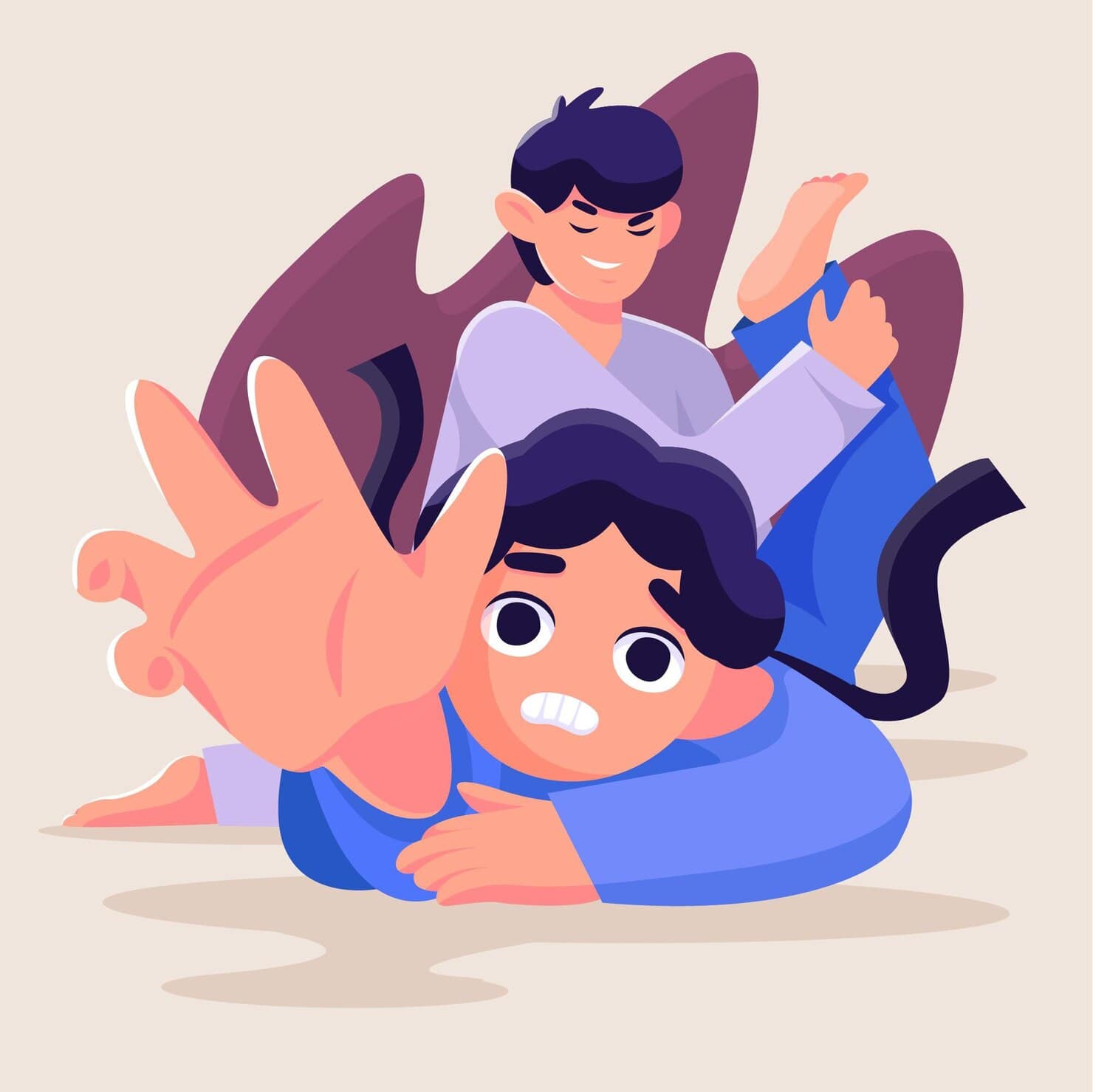
• School bullying or social exclusion
• Instability at home, frequent moves, or financial stress
• Witnessing violence or experiencing abuse
Even if “nothing dramatic” happened, your younger self might have felt confused, unsafe, or overwhelmed — and that matters.
How Childhood Trauma Shows Up in Adulthood
The body remembers what the mind tries to forget. Patterns formed in childhood can quietly follow us into adult life:
• Overthinking or constant worrying
• Struggling to trust people fully
• Feeling responsible for others’ emotions
• Avoiding conflict at any cost
• Difficulty setting boundaries
• Feeling you’re “too much” or “not enough”
• Fear of abandonment
• Perfectionism or being overly self-critical
• Becoming numb or detached during stress
These reactions are coping mechanisms your younger self developed to survive. As an adult, they can become exhausting, confusing, or painful.
Why Childhood Trauma Has Such a Strong Impact
When a child feels unsafe—emotionally or physically—the brain adjusts to stay alert. Stress hormones rise more easily. The nervous system becomes more sensitive. This can lead to:
• Heightened anxiety
• Emotional dysregulation
• Difficulty relaxing or trusting
• A tendency to overanalyse situations
It isn’t that adults with childhood trauma are “too sensitive”. Their bodies were trained to scan for danger long before they had words for what they were experiencing.
Healing Childhood Trauma
Healing doesn’t mean forgetting the past. It means understanding how your experiences shaped you and learning healthier ways to move forward.
At We for You, we help you gently explore:
• Which reactions belong to your adult self
• Which ones belong to the child you once were
• What your younger self needed but didn’t receive
• How to rebuild safety, boundaries, and self-trust
You can grow beyond these patterns. You can become the safe space you didn’t have. And you can learn to respond from a place of strength rather than survival.
You Deserve to Heal
Your younger self deserved comfort, reassurance, and protection. Even if you didn’t receive those things at the time, you can offer them to yourself now — and we’re here to support you through it.