Trauma and the Nervous System: Why Your Reactions Make Sense
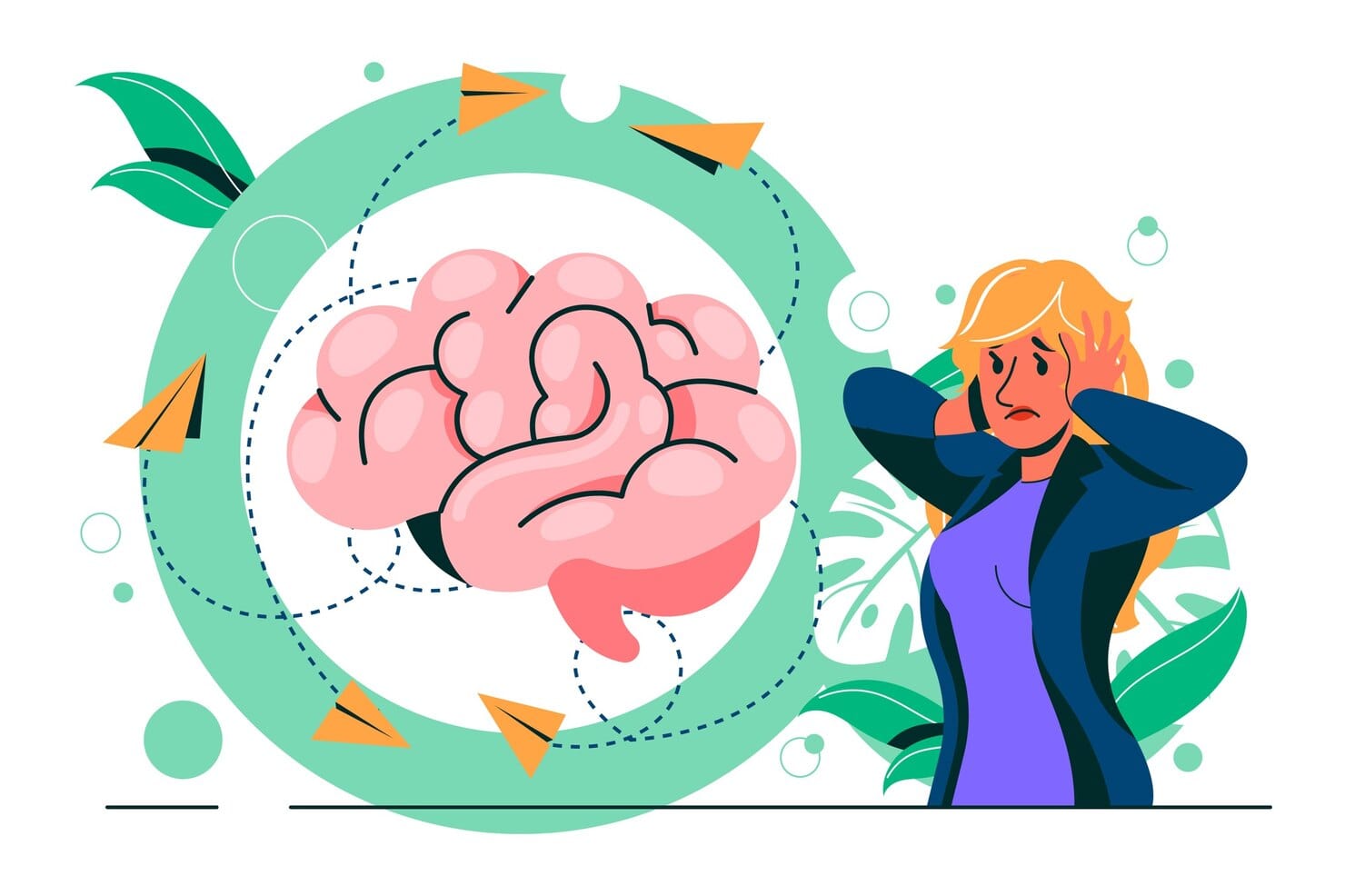
Understanding Trauma Through Your Body
One of the most overlooked parts of trauma is how deeply it affects the body. Long after the moment has passed, the body continues to respond as if the danger is still present. You might not even realise it’s happening. You might simply think you’re “too sensitive”, “overreacting”, or “dramatic”. In reality, your nervous system is doing exactly what it was trained to do.
At We for You, we often remind people that trauma isn’t just a story from the past. It’s an experience your body learnt to survive. And sometimes, even years later, it keeps trying to protect you the only way it knows how.
The Survival Responses: Fight, Flight, Freeze, Fawn
When the body senses danger — real or perceived — it quickly shifts into a survival response. These reactions are automatic. You can’t “think” your way out of them, because they’re not controlled by logic.
Here’s how they show up:
Here’s how they show up:
Fight
You feel irritated, defensive, or ready to argue.
Your body is preparing to protect you by standing your ground.
Flight
You avoid situations, withdraw from stress, or feel the urge to run.
Your body is trying to keep you safe by creating distance.
Freeze
You shut down, go blank, or feel disconnected.
Your body is overwhelmed and pauses to prevent overload.
Fawn
You people-please, over-apologise, or ignore your own needs.
Your body protects you by keeping others calm and avoiding conflict.
These responses are not flaws. They are adaptations that once helped you survive something difficult.
Why Trauma Stays in the Body
When something overwhelming happens, the brain stores the memory not only in thought but also in sensation. This means trauma can stay alive in:
• Tight shoulders
• Rapid heartbeat
• Digestive issues
• Restlessness
• Numbness or detachment
• Difficulty breathing
• Emotional outbursts that feel “out of nowhere”
You aren’t imagining it. Your body remembers.
Healing the Nervous System
The good news is that the nervous system can relearn safety. It’s not a quick fix, and it doesn’t happen through pressure or force. Healing comes through gentle, consistent experiences that teach your body:
“I am safe now.”
At We for You, we support you in:
• Understanding your triggers
• Learning grounding techniques
• Reconnecting with your emotions
• Creating healthier internal responses
• Building self-awareness and compassion
Nervous system healing is a slow, steady journey. But every moment of awareness is progress.
You Are Not Broken
If you’ve ever wondered why you react so strongly, shut down so quickly, or struggle to regulate your emotions, please know this:
Your reactions make sense.
Your body was protecting you.
And you can learn new ways of being that feel calmer, safer, and more grounded.
You deserve that peace.