Bipolar Disorder: Understanding Mood Swings That Go Beyond “Ups and Downs”
What Is Bipolar Disorder?
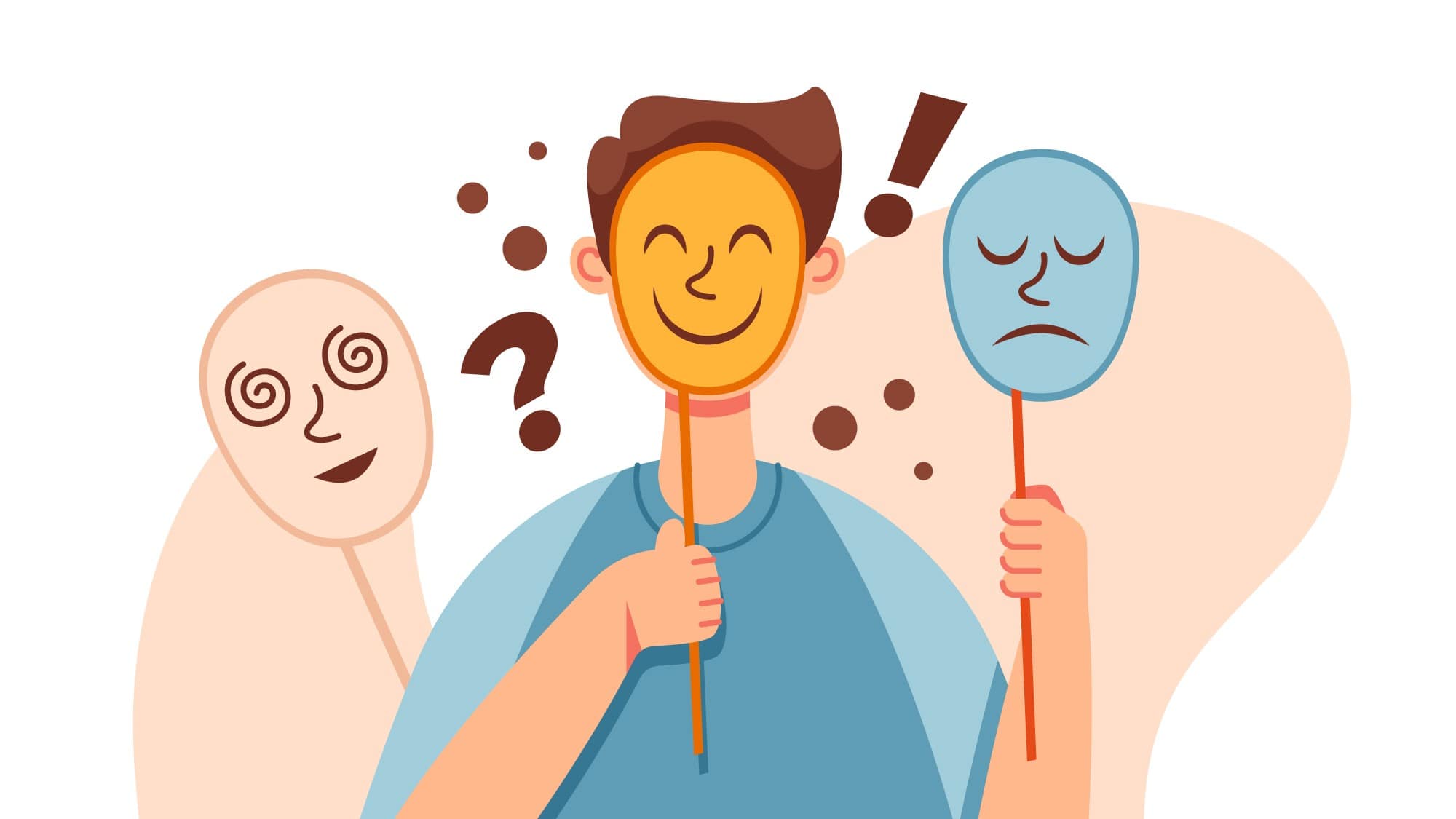
Bipolar disorder is more than just mood swings or occasional highs and lows. It’s a mental health condition that affects mood, energy, and daily functioning. People with bipolar disorder experience intense periods of emotional highs (mania or hypomania) and lows (depression) that can interfere with school, work, friendships, and self-care.
At We for You, we want young people to know that experiencing these moods is not a sign of weakness or “drama” — it’s a medical condition that deserves understanding, support, and compassion.
How Bipolar Disorder Feels
The highs and lows of bipolar disorder can be confusing and overwhelming. Common experiences include:
• Mania or Hypomania
• Feeling extremely energetic or “on top of the world”
• Racing thoughts or rapid speech
• Impulsive decisions or risk-taking
• Difficulty sleeping without feeling tired
• Depressive Episodes
• Persistent sadness or hopelessness
• Loss of interest in activities once enjoyed
• Fatigue or low energy
• Trouble concentrating or making decisions
• Changes in sleep and appetite
These fluctuations are not your fault, and they don’t define your worth.
Causes of Bipolar Disorder
Bipolar disorder is caused by a combination of biological and environmental factors:
• Genetics: Family history increases the likelihood of developing bipolar disorder
• Brain chemistry: Imbalances in neurotransmitters like serotonin and dopamine
• Environmental triggers: Stressful life events, trauma, or significant changes in routine
Understanding the causes helps reduce stigma and promotes seeking help.
How It Affects Daily Life
Bipolar disorder can impact:
• Relationships, as mood changes may cause misunderstandings or conflict
• Academic or work performance
• Sleep and energy levels
• Motivation and self-confidence
• Overall emotional wellbeing
Recognising the patterns allows you to manage symptoms more effectively.
Supporting Someone With Bipolar Disorder — or Yourself
Managing bipolar disorder is a combination of professional support and self-care:
• Professional Help: Therapy, counselling, and medication when appropriate
• Lifestyle Strategies: Regular sleep, balanced nutrition, stress management
• Support Network: Friends, family, or peer support groups
• Self-Awareness: Learning to recognise early warning signs of mood changes
At We for You, we provide a safe space for discussions, support, and emotional guidance, helping you or someone you care about navigate the challenges of bipolar disorder.
You Are Not Alone
Bipolar disorder can feel isolating, but help is available. Understanding your condition and seeking support can make a huge difference. You deserve compassion, respect, and tools to manage your wellbeing.