Trauma in Relationships: Patterns, Triggers, and Learning to Feel Safe Again
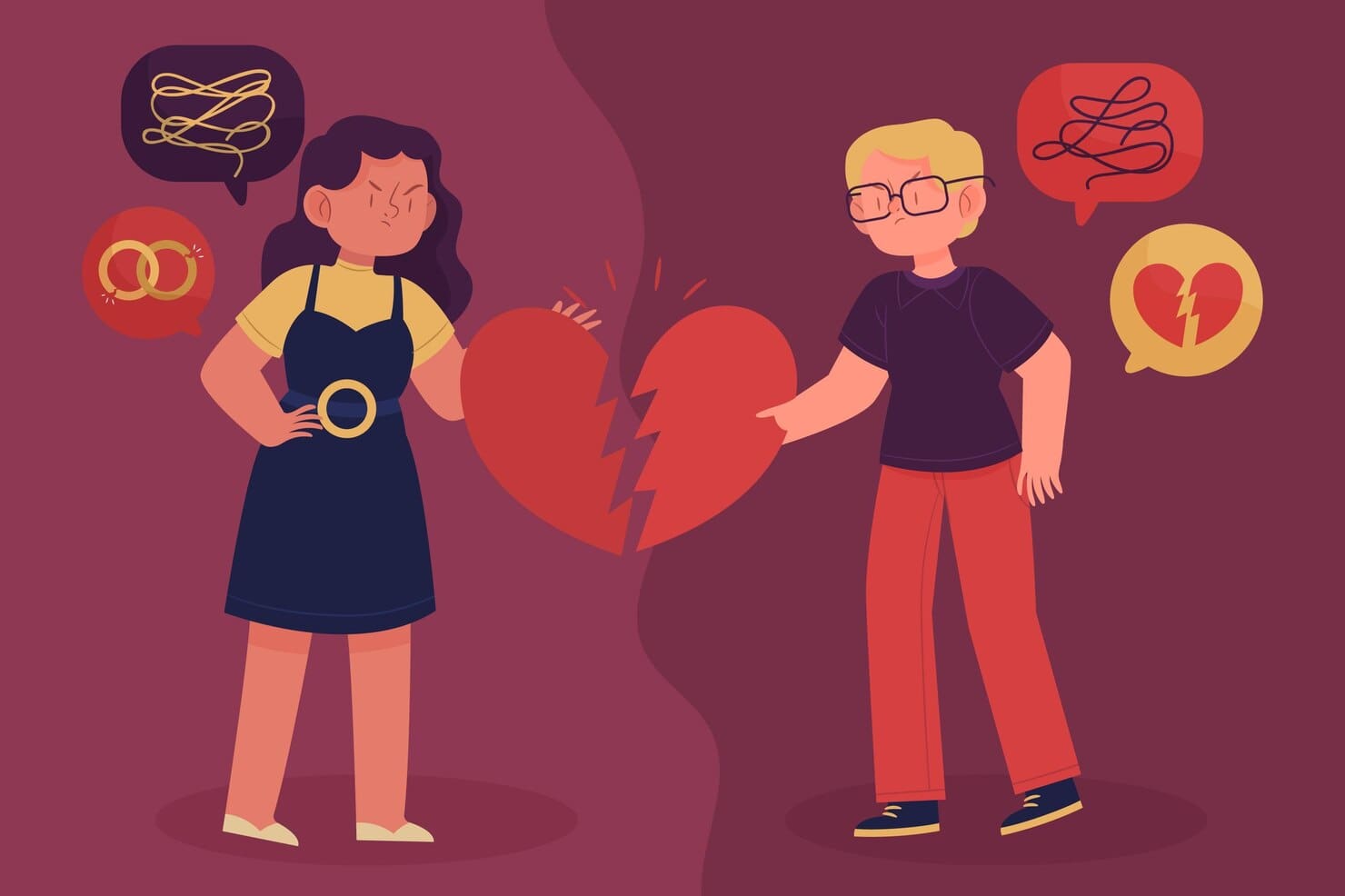
How Trauma Shows Up in Our Relationships
You can heal, grow, move cities, start over, change jobs, or meet new people — yet sometimes the deepest wounds follow you into the relationships you care about most. Whether it’s friendships, family ties, or romantic connections, trauma has a way of showing up without explanation.
It doesn’t mean you’re difficult or dramatic. It simply means you learnt certain patterns at a time when you were trying to survive, and those patterns stayed with you.
At We for You, we often see how much pain comes from not understanding why we react the way we do with the people we love. This part of the series is about holding those feelings with compassion.
Common Patterns Shaped by Trauma
Trauma doesn’t just impact how you feel — it influences how you show up in relationships. Some patterns are loud, others are quiet, but all of them make sense when you look at the past.
Here are a few examples:
Here are a few examples:
Avoiding conflict
Not because you don’t care, but because conflict once felt unsafe — even when it wasn’t your fault.
Clinging or withdrawing
Fear of abandonment can make you hold on tightly. Fear of being hurt can make you pull away too quickly.
Attracting emotionally unavailable people
Not because you “choose wrong”, but because familiar patterns feel safer than healthy ones.
People-pleasing
Trying to keep the peace at any cost because you once learnt that your needs caused trouble.
Quick emotional shutdowns
Feeling overwhelmed, numb, or detached when emotions rise too quickly.
These patterns are not signs of weakness. They are reminders of what your younger self went through.
These patterns are not signs of weakness. They are reminders of what your younger self went through.
Why Triggers Feel So Intense
A trigger isn’t about the present moment — it’s about unresolved pain attached to a past experience.
Someone raises their voice.
Someone goes quiet.
Someone cancels.
Someone asks a question that feels too close.
Someone looks disappointed.
Your body reacts as if it’s happening again.
Triggers aren’t proof that you’re “too sensitive”. They’re signals that your body is trying to protect you from a reminder of something painful.
Healing Relationship Trauma
Healing doesn’t require the perfect partner, perfect childhood, or perfect communication skills. It starts with small shifts:
• Noticing your automatic reactions
• Learning to pause before responding
• Naming your feelings without shame
• Rebuilding trust slowly
• Setting boundaries without guilt
• Practising self-compassion
• Speaking honestly, even when it feels vulnerable
At We for You, we help you understand your patterns and learn healthier ways to connect — gently and at your pace.
When you understand where your reactions come from, you stop blaming yourself for them.
You Can Learn to Feel Safe Again
You Can Learn to Feel Safe Agan.
Relationships can be beautiful places of healing.
They can also be challenging mirrors that show us where we’re still hurting.
But safety can be relearned. Trust can be rebuilt.
And you can form connections that don’t repeat what you went through.
You’re not too much.
You’re not hard to love.
You’re someone who survived — and is learning to thrive.